Natural history & biodiversity
Updated: May 8
To organize and expand knowledge about the interactions between plants and animals and their role in species diversity.

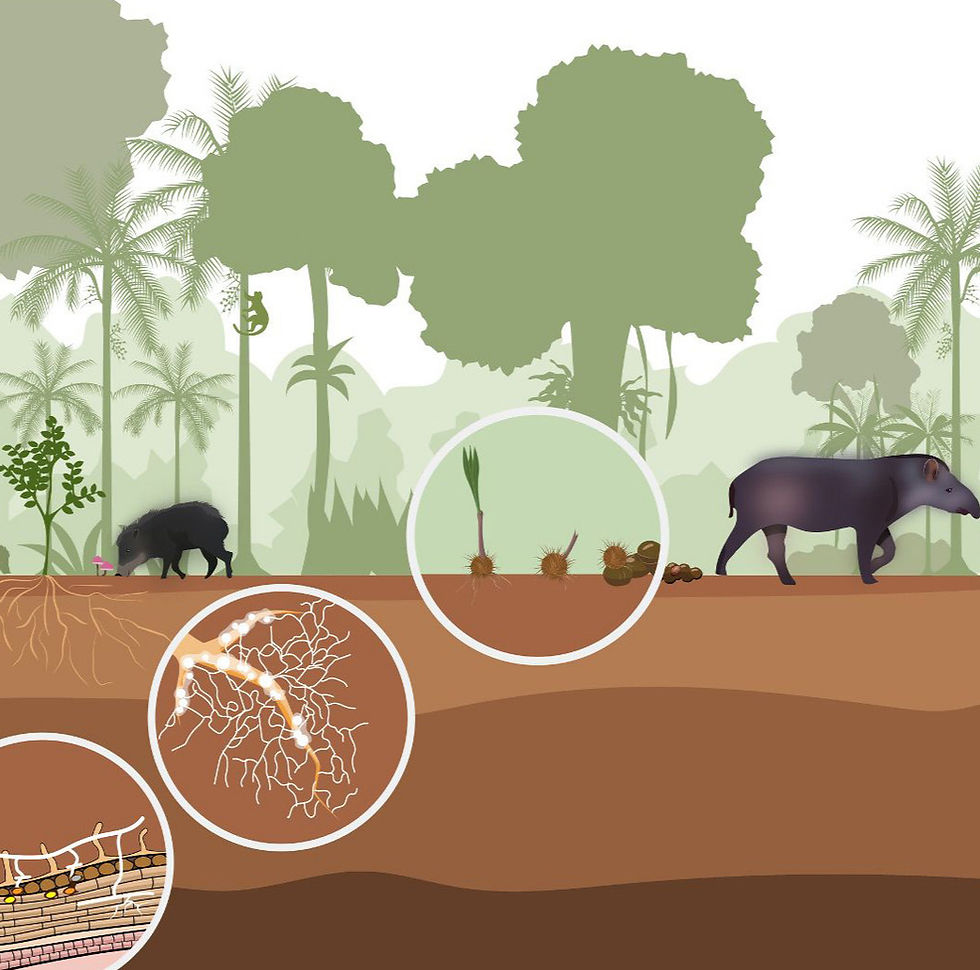
The natural history of interactions between plants and animals is fundamental to understanding the origin, organization, and maintenance of biodiversity. In tropical ecosystems, millions of ecological interactions connect species within complex networks, influencing everything from the individual behavior of organisms to the dynamics of entire communities.
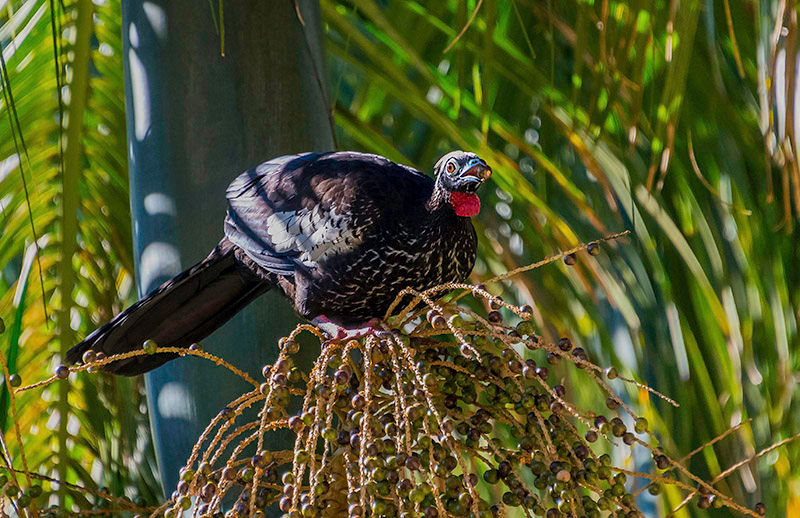
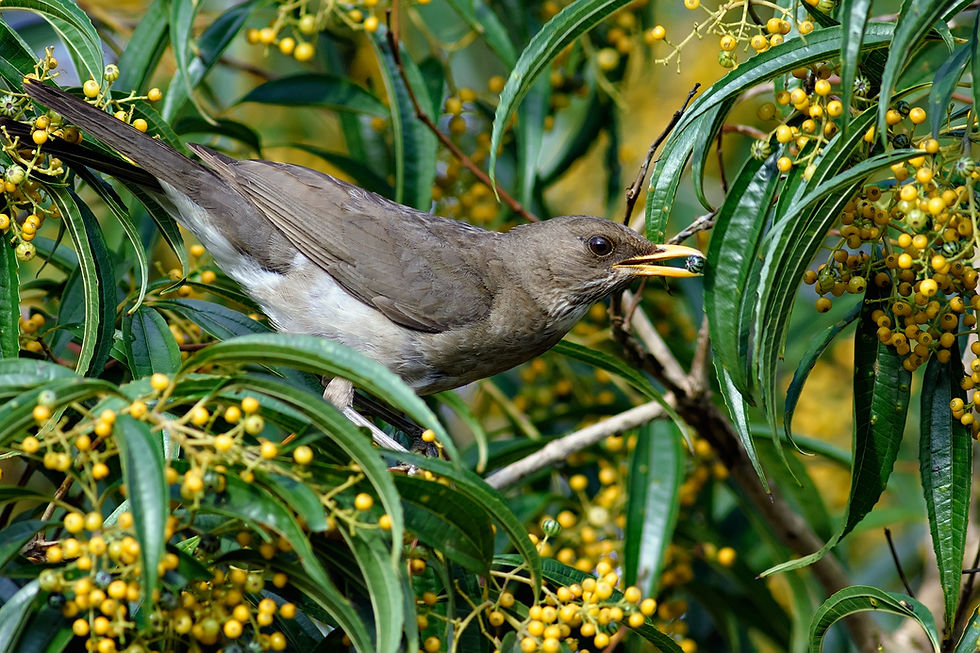
Our group investigates how ecological relationships, especially those between plants and frugivorous animals, shape biological diversity across time and space. We seek to organize, integrate, and expand the available knowledge on these interactions by bringing together ecological data, species trait information, and records of interaction networks from different regions and ecosystems.
By combining data synthesis, natural history, ecology, and modeling, we aim to understand how ecological interactions sustain essential processes such as seed dispersal, forest regeneration, and the maintenance of biodiversity. This effort also allows us to identify knowledge gaps and develop new tools to investigate how species and interactions respond to environmental change.
We recognize natural history as an indispensable foundation for conservation, ecological restoration, and understanding the functioning of ecological and evolutionary processes.